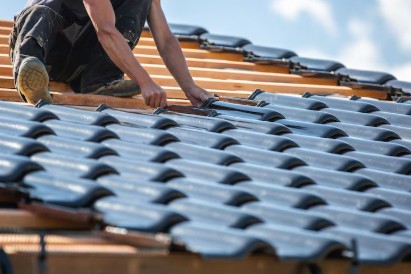
When you look across the skyline of any major industrial hub, you’ll notice a consistent theme: the roofs are flat. While residential neighborhoods are defined by peaks and gables, commercial architecture leans heavily into the horizontal. To an experienced roofer, this isn’t just a stylistic preference; it is a strategic business decision. Flat roofing systems for commercial buildings are engineered to maximize space, reduce overhead costs, and provide a platform for the heavy machinery that keeps modern commerce moving.
The most immediate benefit of a flat roof is cost-efficiency. On a large commercial scale—think warehouses, retail centers, or office complexes—building a sloped roof would require a massive amount of additional structural material and labor. Flat roofs require less surface area than pitched roofs, which translates to lower initial material costs. Furthermore, a flat roof provides "found" space. In a commercial setting, every square foot of the interior is valuable. By moving massive HVAC units, refrigeration cooling towers, and solar arrays to the roof, businesses can utilize their entire indoor footprint for operations or retail.
Gone are the days when a flat roof meant a messy "Built-Up Roof" (BUR) of hot tar. Today’s commercial systems are high-tech membranes designed for extreme durability:
TPO (Thermoplastic Polyolefin): This white, reflective membrane is a favorite for warehouses. It reflects UV rays, significantly lowering cooling costs during the summer.
EPDM (Ethylene Propylene Diene Monomer): A high-density synthetic rubber that is incredibly resistant to weathering and hail.
PVC Roofing: Known for its resistance to chemicals and fire, PVC is often the go-to for restaurants or manufacturing plants where oils or chemicals might be exhausted onto the roof.
While beneficial, the flat design presents unique challenges—primarily drainage. Because gravity doesn't do the heavy lifting, the roof must be designed with a slight "internal" slope toward drains or scuppers. An experienced roofer ensures that "ponding" (standing water) is eliminated, as the weight of thousands of gallons of water can lead to structural sagging or leaks. Regular maintenance is also a different beast for commercial entities. Heavy foot traffic from maintenance workers and the vibrations of roof-mounted machinery can cause wear and tear that a standard residential roof never faces.
Conclusion
A commercial roof is more than just a lid; it is a specialized piece of equipment. Choosing the right material and the right installation team ensures that your business stays protected, energy-efficient, and operationally sound for decades. Is your commercial property ready for an upgrade? Whether you need a full replacement or a specialized waterproof coating, our team of experienced roofer professionals is here to deliver high-performance solutions.
Contact us today at 183 Bridge St Brooklyn, NY 11201 (718) 690- 9422 https://downtownbrooklynroofing.com for a comprehensive site audit and let us help you protect your bottom line.